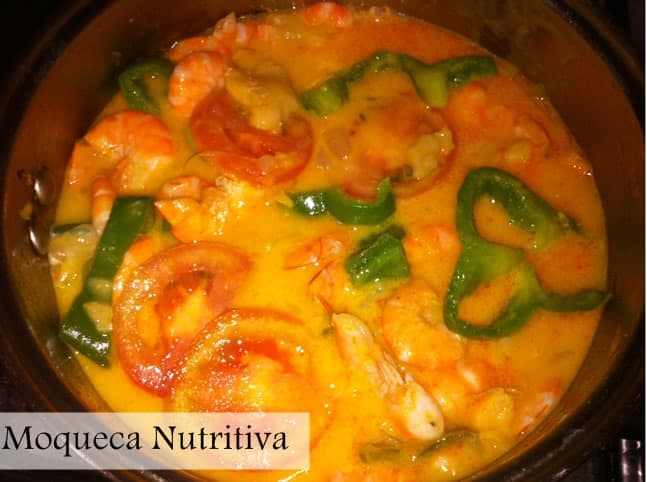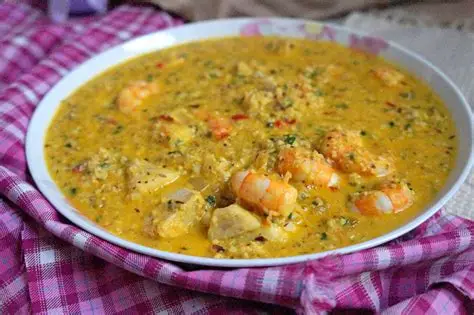
Vatapá is a quintessential example of Afro-Brazilian cuisine, with roots tracing back to West African culinary traditions brought by enslaved people.
What is it?
Vatapá is a thick, creamy stew or paste with a complex, rich flavor profile. Its base is made from:
- Bread (or breadcrumbs and flour)
- Shrimp (ground or whole)
- Coconut milk
- Ground peanuts and/or cashews
- Palm oil (dendê oil), which gives it a distinctive red-orange color and a unique, earthy flavor.
These ingredients are blended or mashed and then cooked into a smooth, velvety consistency.
How is it Served?
Vatapá is incredibly versatile and is commonly served in two ways:
- As an accompaniment to Acarajé: It is the traditional filling for acarajé, the famous fried black-eyed pea fritlets sold by Baiana women on the streets of Salvador.
- As a side dish: It is often served as a side to steamed white rice, fried fish, or grilled chicken, especially during festive occasions and holidays.
Flavor Profile
The taste is a unique blend of savory, slightly sweet, and nutty flavors. The shrimp provides a deep umami base, the coconut milk adds sweetness and richness, the nuts contribute a creamy texture and nutty taste, and the palm oil ties everything together with its characteristic aroma and color.
In short, Vatapá is a delicious and historic dish that is a true taste of Bahian culture and the African heritage at the heart of Brazilian cuisine.