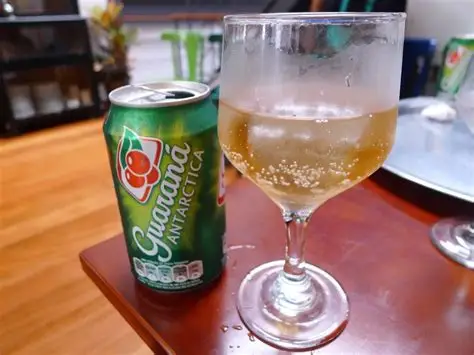
Cajuína (pronounced ka-zhoo-EE-nah) is a traditional non-alcoholic Brazilian beverage, highly esteemed for its crystal-clear appearance and unique, delicate flavor. It is a cultural treasure of the Northeast region, particularly the state of Piauí.
1. What it is Made From
Cajuína is made from the juice of the cajú (cashew apple), not the well-known cashew nut. The fruit’s juice is carefully clarified and sterilized through a slow heating process without fermentation. The result is a beautiful, transparent amber or light golden liquid.
2. The Cultural Significance
More than just a drink, Cajuína carries a deep cultural and almost artisanal value. Its production is a traditional craft, often passed down through generations. It is deeply associated with the identity of the sertanejo (backlands) culture. The famous Brazilian musician Caetano Veloso even sang its praises in his song “Cajuína,” elevating it to a symbol of Brazilian purity and nostalgia.
3. The Flavor Profile
The taste of Cajuína is subtly sweet and nutty, with a distinct roasted caramel note that comes from the careful heating process. It is much less acidic and more refined than fresh cashew juice.
4. When it is Consumed
It is traditionally served cold, often on special occasions, as a symbol of hospitality, or as a sophisticated refreshment to celebrate local festivals and family gatherings.
In essence, Cajuína is the “liquid gold” of the Brazilian Northeast—a clear, purified, and poetic beverage that captures the soul of its sun-drenched land.