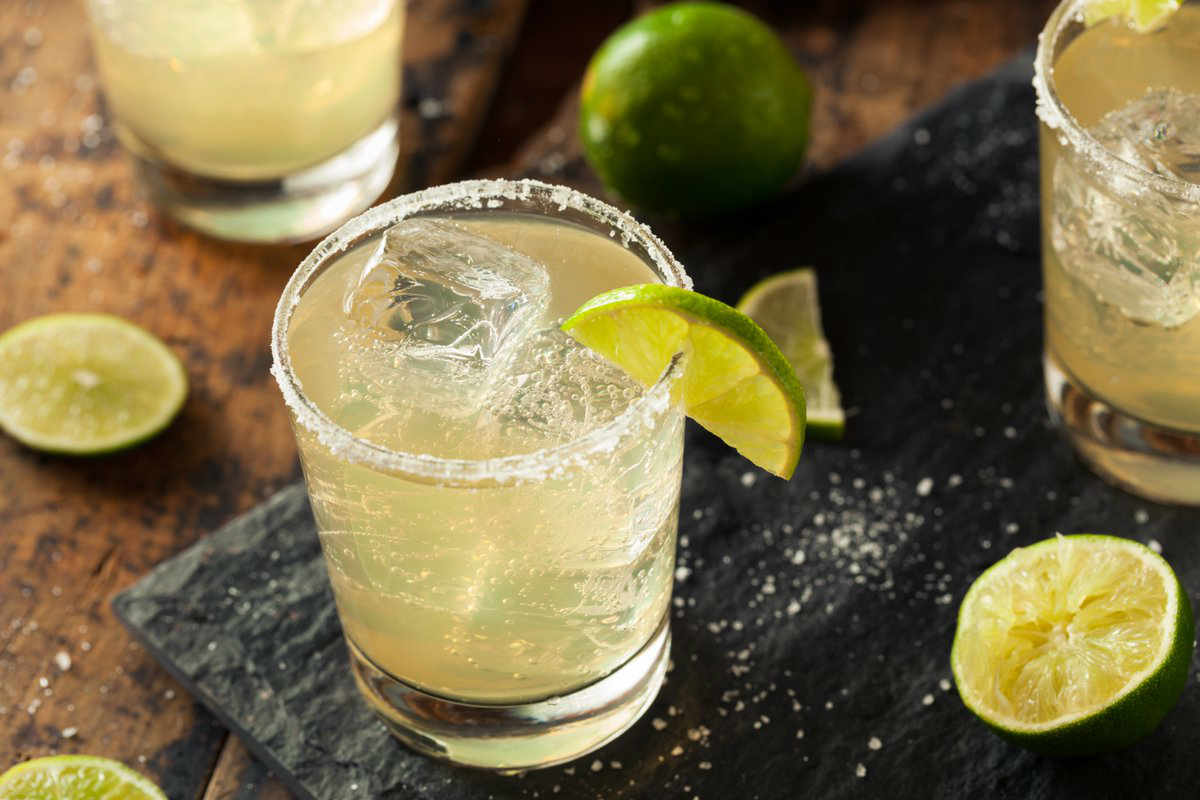
Caipirinha is Brazil’s national cocktail, representing the unique charm of Brazilian culture. Here is a detailed introduction:
Etymology and Cultural Background
The word “Caipirinha” comes from Portuguese, which literally means “country bumpkin” or “rustic” in Portuguese, giving this cocktail a unique regional color and cultural identity. Brazil was a Portuguese colony for more than 300 years, and the Portuguese language and culture have had a profound impact on the birth and development of Caipirinha.
Origin Stories
- There are various versions of the origin of Caipirinha. One theory is that it originated in rural Brazil and was a thirst – quenching drink mixed by local farmers with homemade sugarcane wine (Cachaça), lime juice, sugar and other simple ingredients. Another theory is related to Queen Carlota Joaquina of Portugal in the early 19th century. It is said that she invented this cocktail during her exile in Brazil.
Ingredients and Preparation
- Classic Recipe: The classic Caipirinha is made with 60ml of Cachaça, 1 lime (cut into pieces, seeds and membranes removed), 2 teaspoons of white sugar, and an appropriate amount of ice.
- Preparation Steps: First, put the cut lime pieces into a glass, add sugar, and gently crush them with a muddler to fully mix the lime juice and sugar. Then add ice to 80% full, and finally pour in Cachaça and stir slightly. It can be decorated with mint leaves or lime slices.
Cultural Significance
- Symbol of Brazilian Culture: As Brazil’s national drink, Caipirinha represents the Brazilian people’s love and pursuit of life. It is available in both prosperous cities and remote villages, and is an essential drink in bars, restaurants, and also an ideal choice for family gatherings and friends’ get – togethers.
- Medium of Social Interaction: In Brazil, Caipirinha is also a medium for social interaction and sharing. People sit around and taste this delicious cocktail together, sharing stories and laughter, which enhances friendship and promotes social unity and harmony.
Variations and Global Spread
Global Popularity: Caipirinha gradually spread from rural areas to cities and then to the world. During the 1918 Spanish flu, it became popular in the Iberian Peninsula because it was believed to have the effect of relieving flu symptoms. Today, it has won wide recognition and love around the world and has become an important part of global cocktail culture.
Modern Variations: On the basis of the classic formula, modern bartenders will use different fruits such as pineapple, raspberry, watermelon or orange to replace lime, or add liqueurs, mint leaves, basil, red pepper and other seasonings to create a variety of flavors.