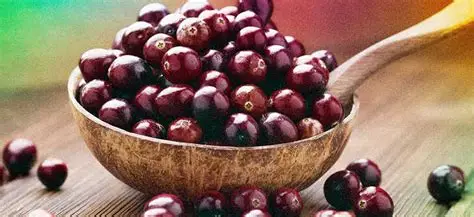
Maracujá is the Portuguese word for passion fruit, and in Brazil, it refers primarily to the yellow variety (Passiflora edulis flavicarpa), which is larger, more acidic, and incredibly aromatic compared to the purple varieties common elsewhere.
Key Characteristics:
- The Fruit: It has a tough, yellow outer rind that wrinkles when ripe. Inside, it’s filled with a juicy, gelatinous pulp full of black, crunchy seeds.
- The Flavor: The flavor is an intense, tropical balance of sweet and tart—very aromatic and refreshing.
- The Name: The name “maracujá” comes from a Tupi-Guarani (indigenous) word meaning “food in a bowl,” a reference to the fruit’s interior. The connection to “passion” comes from Spanish missionaries who saw symbols of the Passion of Christ in the plant’s flower.
How It’s Consumed:
While the fresh pulp is eaten with a spoon, maracujá is most famous in Brazil as a juice and flavoring. Its strong, tart flavor makes it perfect for:
- Suco de Maracujá: The most popular and beloved fruit juice.
- Mousse de Maracujá: A light, creamy, and quintessential Brazilian dessert.
- Caipirinhas: Often used as a flavorful base for the national cocktail.
- Sauces, Ice Creams, and Cakes: Used to flavor a wide variety of desserts.
Cultural Significance:
Beyond its culinary uses, maracujá is deeply associated with calm and relaxation. The term “maracujina” refers to a natural sedative found in the plant’s leaves, leading to the common belief that maracujá juice or tea helps soothe nerves and aid sleep, making it a true symbol of Brazilian “tranquilidade” (tranquility).